VOICE. MOVEMENT. PRESENCE.
StageLoom introduces practical stage work through vocal projection, purposeful movement, scene listening, character objectives, and focused rehearsal exercises.
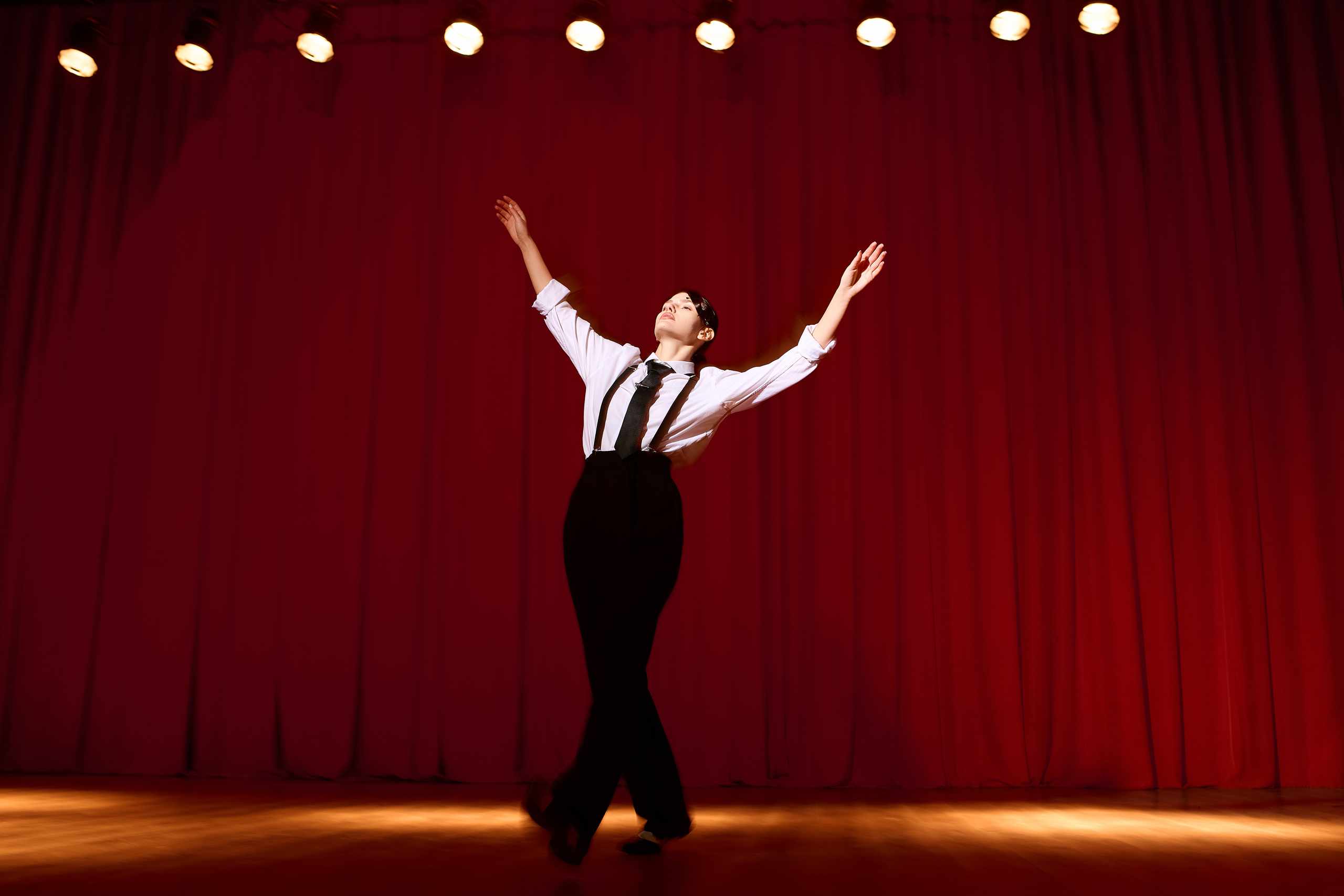
Begin with short texts, clear objectives, and manageable performance exercises.
BUILD THE PERFORMANCE
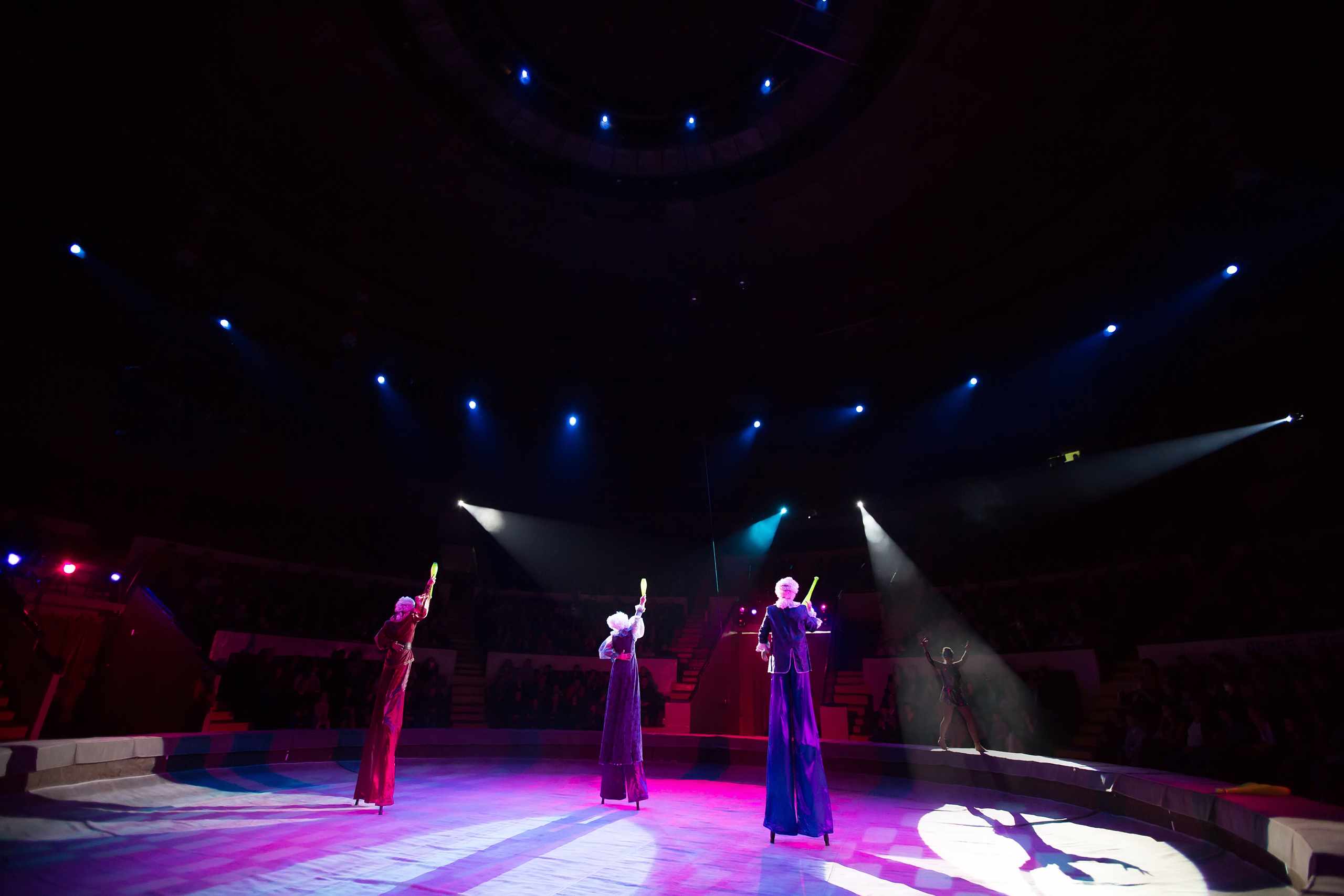
VOICE AND PHRASING
Practice breath support, articulation, projection, pauses, and emphasis without pushing the voice from the throat.

MOVEMENT AND FOCUS
Use posture, eye line, stillness, entrances, and stage direction to make each physical choice feel deliberate.

SCENE AND CHARACTER
Work with objectives, reactions, subtext, and partner listening instead of reciting lines in a fixed rhythm.
HOW PRACTICE DEVELOPS
PREPARE BODY AND VOICE
Use short physical, breathing, and articulation exercises before adding text, movement, or character choices.
MARK THE SCENE
Identify beats, pauses, objectives, cues, and simple blocking
before rehearsing the scene at
full pace.
REHEARSE ONE FOCUS
Repeat a short section while changing one element, such as volume, eye line, tempo, or partner response.
REVIEW THE CHOICES
Notice rushed lines, repeated gestures, unclear movement, and missed reactions before choosing the next correction cue.
WHAT LEARNERS NOTICE
Breaking the monologue into beats made the pauses feel connected to the thought instead of added for effect.
The listening exercises helped me stop planning my next line and respond more naturally to my scene partner.
Working on one movement cue at a time made my entrances clearer and reduced the gestures I repeated without noticing.
GIVE THE SCENE A CLEARER SHAPE.
Begin with a short text, a practical warm-up, and one playable objective. StageLoom helps organize voice, movement, focus, and reaction into manageable rehearsal passes, so you can notice what changes the scene and what only adds noise.